Which Best Represents an Interaction Between Biotic and Abiotic Factors
Abiotic factors depend upon biotic factors for energy. Abiotic factors are the non living components of an ecosystem.

Biotic And Abiotic Factors Find Out Why It S Impossible To Think Of An Ecosystem Without Incl Life Science Activities Life Science Lessons Biology Classroom
Biotic and Abiotic Interactions.
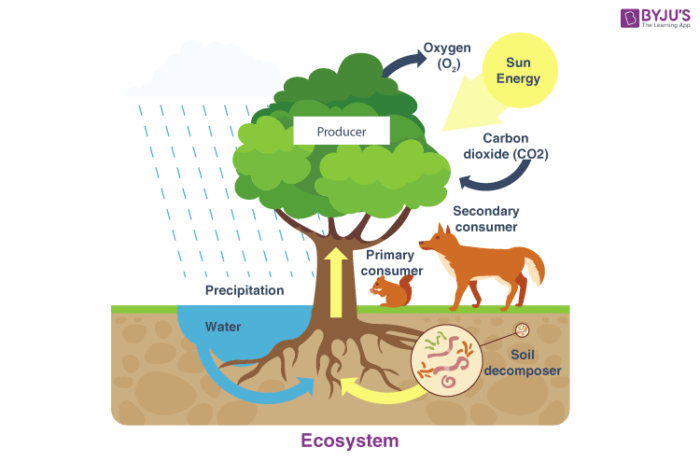
. Up to 24 cash back Abiotic Interactions There are four main abiotuc non-living enviromental factors they are. One of the most critical interactions in an ecosystem between the biotic and abiotic environment is photosynthesis the base chemical reaction that drives most life on earth. Nonliving factor that affects an ecosystem.
The term abiotic refers to the non -living entities in the ecosystem. Social abiotic factors describe how human activity can impact the land and resources in the area. A living or once living organism in an environment.
Biotic factors only rely on other biotic factors to grow and survive. Sunlight water land temperature all constitutes the abiotic factors. 05152020 Biology Middle School answered Which statement best describes the interaction between biotic and abiotic factors.
Biotic Factor An interaction between organisms in an area Abiotic Factor An interaction between an organism and its nonliving part of the environment Species Organisms that are able to reproduce like organisms Population A group of individuals of the same species that live in the same area Community. Overall the correlations between biotic and abiotic variables are very low. Biotic factors are the living components of an ecosystem biotic meaning biological.
Biotic factors rely on abiotic factors to grow and survive. A place where an organism lives. The prefix a means anti in this sense or anti-biological.
One common interaction between biotic and abiotic components of an ecosystem is photosynthesis. What are the. Winter has its freezing cold temperature that lasts for six long months.
A square meter of land on Earth can receive a maximum of just over 1 kilowatt of sunlight. Humans have an impact on many features of an ecosystem but social factors are most likely to cause to larger-scale change. Plants and algae use sunlight water and carbon dioxide to create the energy they need to grow and live via photosynthesis.
All sedimentological variables are highly correlated with each other and the average temperature in February r 045063. Given the fundamental effects of biodiversity on ecosystem function 7 a critical task is to resolve the relative importance of three sets of ecological factors that drive community structure. Examples Biotic factors include plants bacteria fungi birds worms animals etc.
Water H2O Most things that occur within the body require water the bodies of all living things are more then 70 water. A collection of organisms that make up a community as well as all of the nonliving aspects of the environment. Water temperature sun or earth are part of the abiotic factors.
As in 1986 the temperature and salinity values from the same Pohlmann model are highly intercorrelated. Abiotic factors are the non-living components of an ecosystem. Thorough and spatially explicit.
The interaction between various abiotic and biotic factors and the constricted food web have a great impact on the stability and maintenance of an ecosystem. The snow provides camouflage for the fox because if its white fur. Biotic vs Abiotic Factors Biotic factors are the living organisms of an ecosystem.
Biotic components and abiotic components. Terms in this set 16 a nonliving factor in an environment. Abiotic Components are the non- living parts of an ecosystem.
These include living animals plants and microscopic organisms like bacteria. Salmons and plants are part of the biotic factors. Example of an aquatic ecosystem.
Taiga climate dominated by cold air from the artic circle. Fall comes to be the shortest of all seasons. Thus they can have profound impacts on other abiotic factors biotic factors entire ecosystems and even entire biomes.
Up to 24 cash back Abiotic Factors. So a plant or tree taking up sunlight through its leaves and water and soil nutrients through its roots is an interaction between the biotic living and abiotic non-living components of a landscape. The interactions between various biotic factors are necessary for the survival and reproduction of each species.
Simplified the biotic factors are living and the abiotic factors are non-living. - Water - Soil - Air - Heat - Light Both Abiotic and Biotic factors are essential for maintaining life. Summer is a hot short and rainy season.
The ecosystem in a bottle experiment was happened over a period of 4 weeks the ecosystem was created in a glass jar filled with pond water that included aquatic mystery snail glass. Sunlight is abiotic solely energy and it fuels the synthesis of sugars and proteins inside plant cells once it is taken up by plant leaves. Biotic factors are factors which are living such as plants and animals and abiotic factors are non-living organisms such as rocks minerals and even temperature and the wind.
The interactions between biotic and abiotic factors that influence the sustainability of tomato production in South Africa. Plants and algae use sunlight water and carbon dioxide to create the energy they need to grow and live via photosynthesis. Dependency Biotic factors depend on the abiotic factors.
Therefore flowers opening at night is an example of a biotic factor changing the flower to the abiotic factor the sunlight. On our planet there are two groups of components. Temperatures are colder during night due to no cloud cover.
Abiotic environmental filtering dispersal limitation in space and biotic interactions eg competition mutualism and trophic relationships 28. A collection of organisms that belong to different populations but all live in the same area and interact with one another. The former are living elements that is they are organisms that are born grow reproduce and die.
One of the most critical interactions in an ecosystem between the biotic and abiotic environment is photosynthesis the base chemical reaction that drives most life on earth. Abiotic factors include sunlight water air chemical elements minerals soil temperature etc.
How Do Abiotic Factors Affect The Biotic Components Of An Ecosystem Quora
Ecosystem Components Of Ecosystem Biotic Abiotic Components

Environment And Difference Between Biotic And Abiotic Components Youtube

Biotic And Abiotic Factors

Our Environment Class 10 Biotic Abiotic Biotic Resources
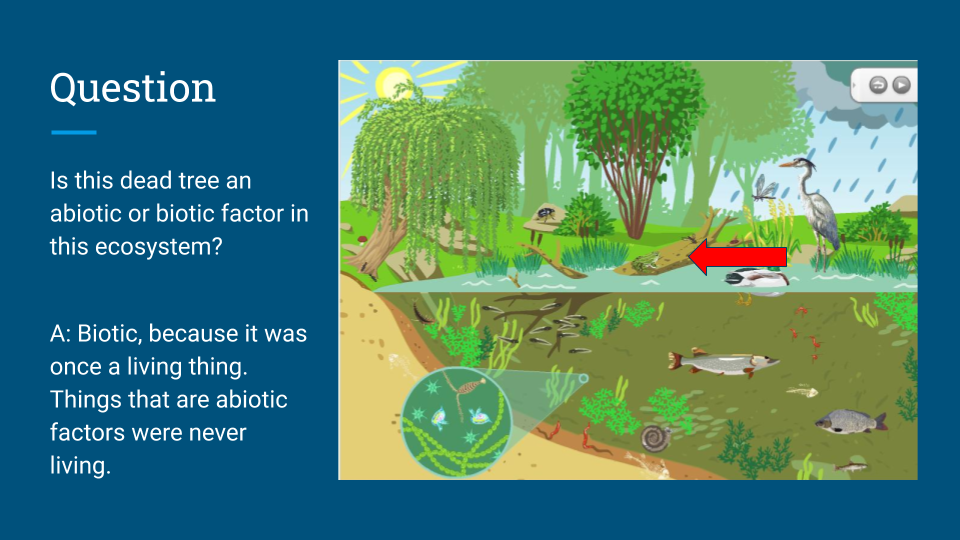
Abiotic Vs Biotic Factors In An Ecosystem James River Association

Practice Review And Assess Your Students Understanding Of These 46 Vocabulary Terms Students Match Vocabulary Social Studies Worksheets Vocabulary Activities

Science What Are Biotic And Abiotic Components Of The Environment English Youtube

Little Lovely Leaders Freebie Giveaway Ecosystems Abiotic Ecosystem Activities
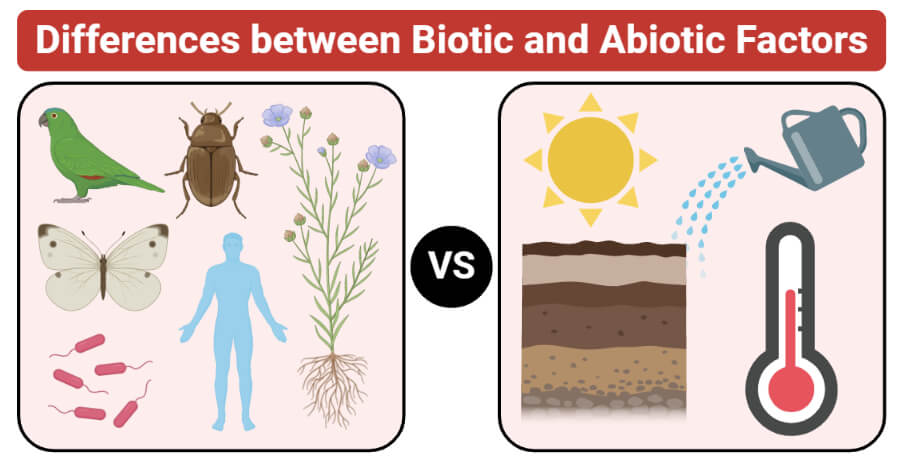
Biotic Vs Abiotic Factors Definition 10 Differences Examples
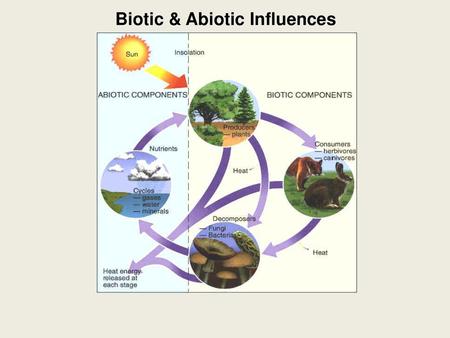
2 D 1 Biotic And Abiotic Interactions Ppt Video Online Download
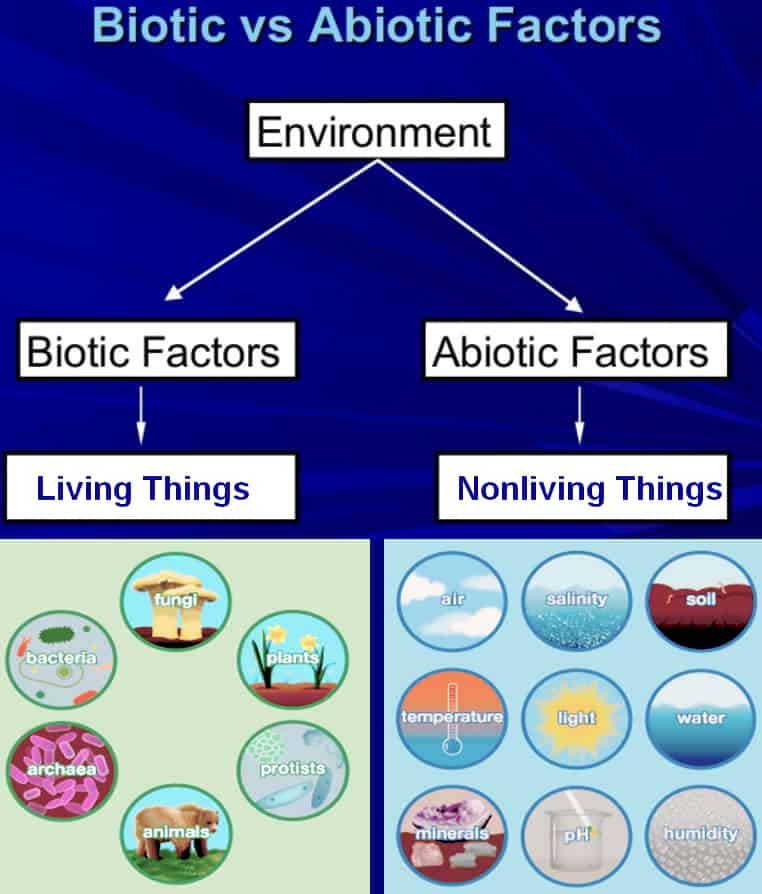
Difference Between Biotic And Abiotic Factors Laboratoryinfo Com

Biotic And Abiotic Factors Affecting Plant Microbe Interactions During Download Scientific Diagram

Ecosystem Interactions Current Ecosystems Rainforest Project Ecology

3 Interaction Web Predicting Relationships Between Biotic And Abiotic Download Scientific Diagram

Pin By Garrett Rauckhorst On Ecology Unit Abiotic Ecosystems Unit Biotic

Agribachelor What Is Ecosystem And Ecology Differnce Between Ecosystem And Ecology Father Of Ecology Types Of Ecology Principal Of Abiotic Biotic Ecosystems

A Biotic And Abiotic Factors Important For Seed Dispersal Download Scientific Diagram

You Will Receive The Following Biotic Poster Abiotic Poster Biotic Abiotic Interactive Notebook Pagesave When Interactive Notebooks Abiotic Interactive


Comments
Post a Comment